
Halal Certification: The Key to Malaysia & Indonesia's 350M Consumer Market
Halal Certification: The Key to Malaysia & Indonesia's 350M Consumer Market
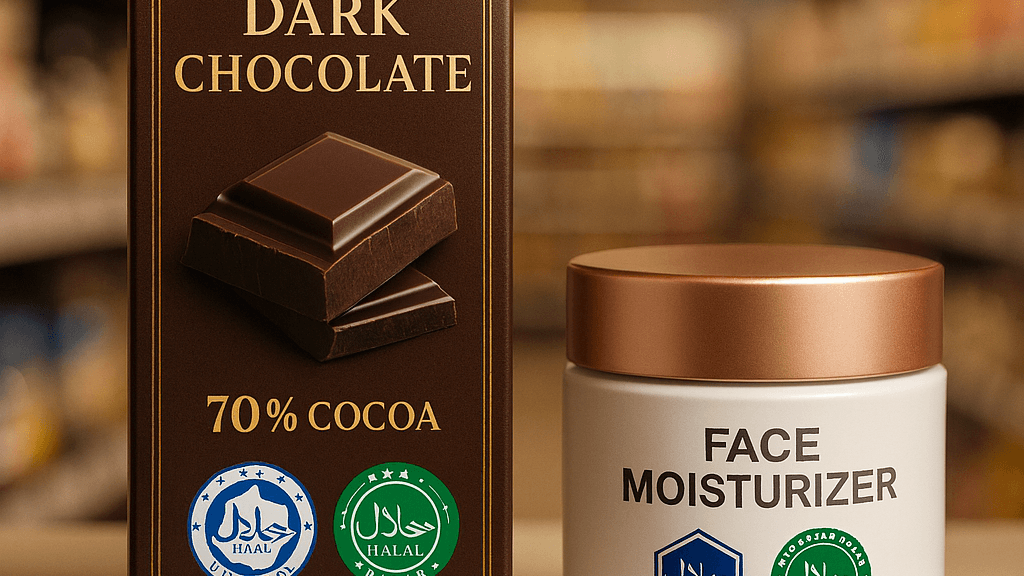
For businesses targeting Malaysia and Indonesia — a combined market of over 350 million consumers — Halal certification is not optional. It is a legal, commercial, and cultural necessity.
Strategic Importance
Halal certification builds trust beyond Muslim consumers, serving as a mark of hygiene, safety, and quality. It is a non-negotiable requirement for securing retail shelf space and acts as a key competitive differentiator in crowded markets.
Regulatory Differences
Malaysia (JAKIM): Rigorous standards under MS 1500:2019, requiring a Halal Assurance System (HAS), a dedicated Halal Executive, and full supply chain auditing.
Indonesia (BPJPH): Mandatory certification under the new Halal Product Assurance Law, with audits conducted by approved HCBs and applications managed through the digital Sihalal platform.
Implementation Requirements
Companies must establish internal Halal audit teams, maintain segregated supply chains, source ingredients from approved suppliers, and partner with local consultants to navigate audits and bureaucracy.
Comparison with Other Muslim Countries
Malaysia and Indonesia have stricter, more comprehensive requirements than many other Muslim nations. Their audits cover logistics, warehousing, and sanitation — not just ingredients — and their certification processes are centralized under government bodies rather than private entities.
Conclusion
Halal certification must be integrated into core marketing, supply chain, and sales strategy from the start. Doing so unlocks access to 350 million consumers and builds a reputation that serves as a launchpad into the broader $3 trillion global Muslim market.

Office Locations
Halal Certification Services (HCS) certifies companies all over the world. Our locally-based auditors can speak and assist in your local languages. Find the contact details of our offices nearest to you as mentioned below: