The Prohibition of Pork in Islam - Theological Foundations and Industrial Implications- March 25, 2026
The Theological Foundation Pork is strictly forbidden (haram) in Islam based on clear Quranic verses (Surah Al-Ma'idah 5:3 and Surah Al-An'am 6:145). The prohibition extends beyond meat to include every part of the pig—flesh, fat, skin, bones, nerves, and hair
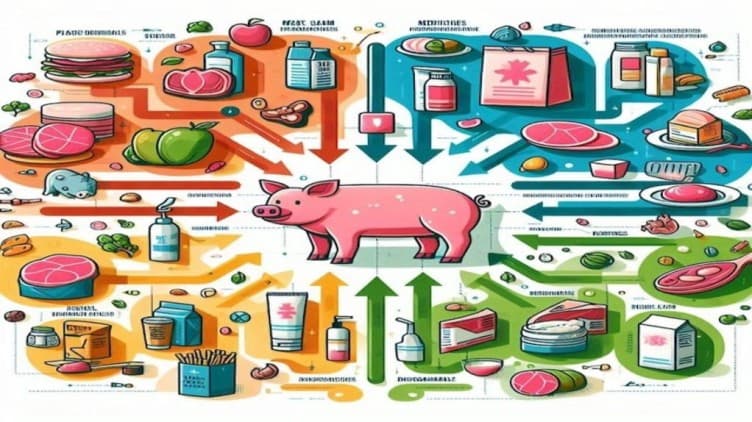
The Prohibition of Pork in Islam – Theological Foundations and Industrial Implications
The Theological Foundation
Pork is strictly forbidden (haram) in Islam based on clear Quranic verses (Surah Al-Ma'idah 5:3 and Surah Al-An'am 6:145). The prohibition extends beyond meat to include every part of the pig—flesh, fat, skin, bones, nerves, and hair.
Pork is also classified as ritually impure (najis), specifically falling into the category of severe impurity (najas mughallazah). This classification requires purification through washing seven times, with one wash using purified earth—a process practically impossible to guarantee on industrial equipment.
Implications for Industrial Production
The severe impurity classification creates critical requirements:
- Dedicated production lines are essential, as shared equipment cannot be reliably purified
- Segregated facilities for washing, sterilization, and storage are mandatory
- Halal Critical Control Points (HCCPs) must monitor ingredient sourcing, production segregation, and cleaning validation
Hidden sources include processing aids, carrier oils, clarifying agents, equipment lubricants, and cleaning agents that may contain undeclared porcine components. Numerous incidents of fraud and contamination have eroded consumer trust.
The Muslim Perspective
For Muslims, consuming haram carries spiritual consequences and is considered a matter of eternal significance. The principle of syubhah (doubt) encourages avoidance of uncertain products.
Incidents like the 2025 Indonesian porcine DNA controversy create fear of hidden contamination and trauma of betrayal when halal products are found to contain pork. Growing demand for transparency and thayyib (wholesomeness) reflects the spiritual importance of halal compliance.
Industry Recommendations
Strategic:
- Implement segregated production facilities
- Adopt Halal Assurance Systems with HCCPs
- Ensure supplier compliance through certification and audits
Ingredient-Specific:
- Source gelatin from halal-certified bovine, fish, or plant sources
- Verify vegetable origin for glycerin and fatty acids
- Require full disclosure for flavors and processing aids
- Audit all pharmaceutical materials including active ingredients, excipients, and packaging
Operational:
- Conduct employee training on halal requirements
- Develop validated cleaning protocols with separate tools
- Perform regular testing for porcine DNA
- Maintain full traceability documentation
Transparency:
- Use clear halal labeling
- Publish supplier information
- Develop crisis management procedures
Conclusion
The prohibition of pork creates unique challenges for manufacturers serving Muslim consumers. Success requires segregated facilities, robust assurance systems, thorough supplier verification, and transparent communication. Investment in halal integrity builds trust with the growing global Muslim market and fulfills consumers' deepest spiritual values.

Office Locations
Halal Certification Services (HCS) certifies companies all over the world. Our locally-based auditors can speak and assist in your local languages. Find the contact details of our offices nearest to you as mentioned below: